Modern Love Within Historic Landscapes
Perhaps that is why this editorial feels so compelling. It reflects something many modern couples are searching for now: weddings that feel emotionally real, visually atmospheric and genuinely connected to their surroundings.
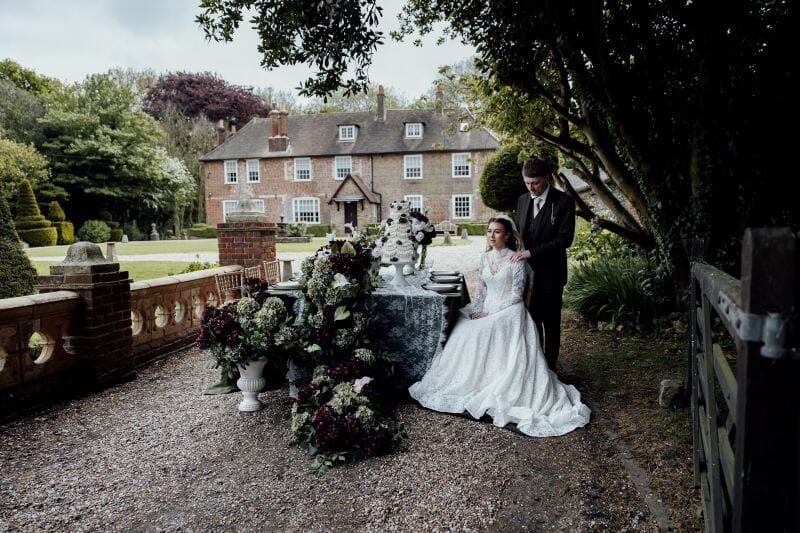
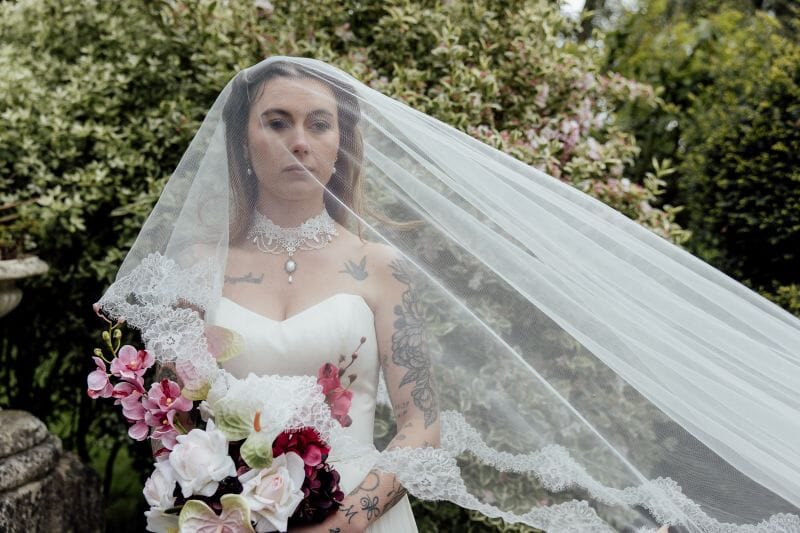
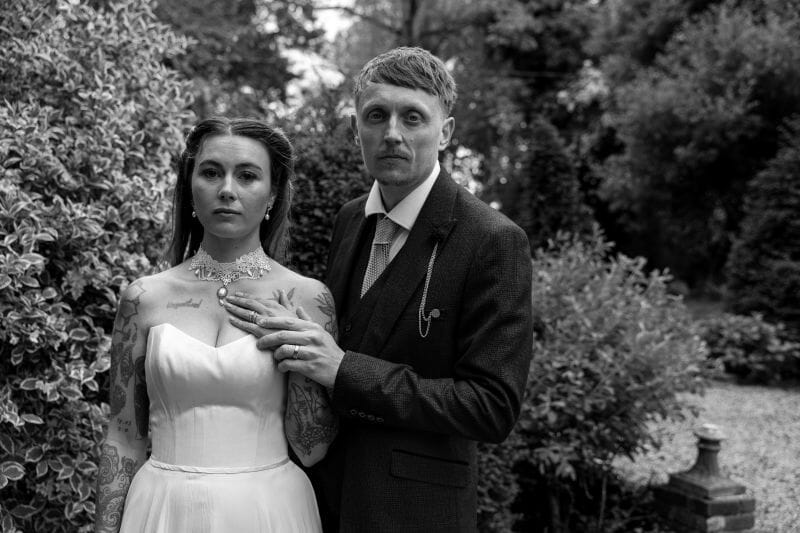
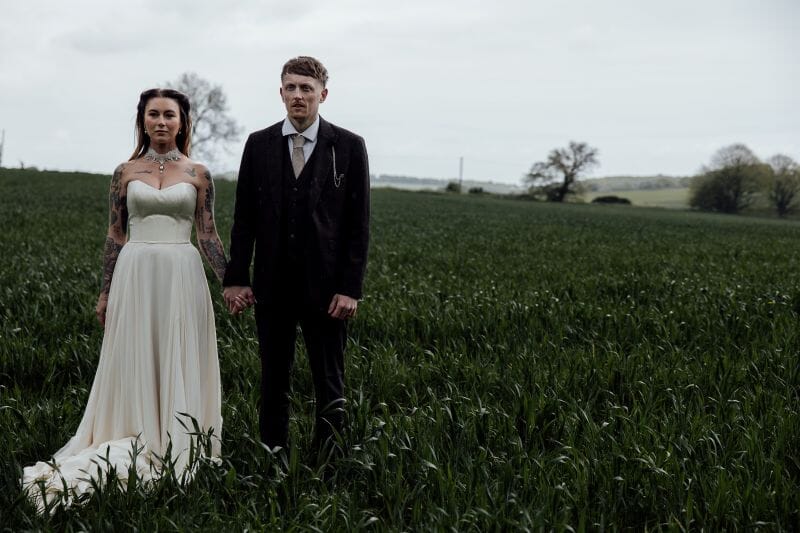
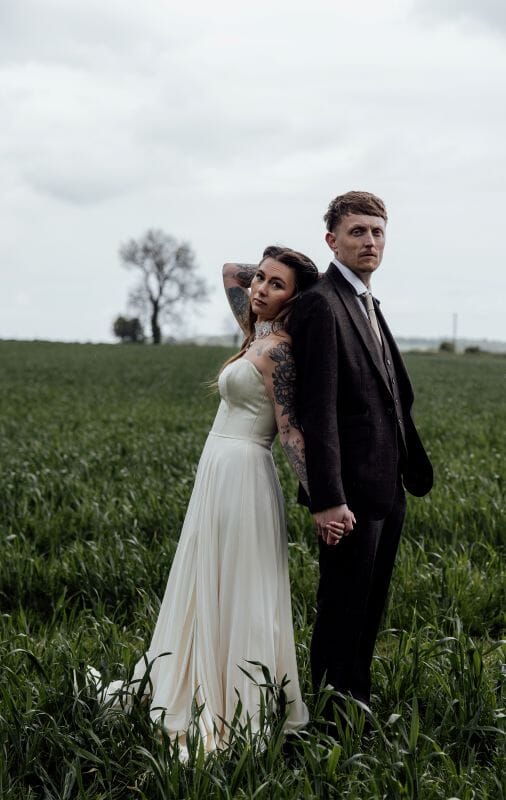
Rather than chasing performative luxury or attempting to recreate history exactly, the styling places modern love within landscapes and architecture that already carry depth, memory and character of their own. The result feels immersive rather than staged, allowing the setting, emotion and people within it to feel naturally intertwined.
For us, the result of the shoot is an English conversation piece reimagined for a contemporary generation. A portrait not simply of a wedding day, but of atmosphere, identity and connection.
FAQs
How Couples Can Create This Style of Wedding
What is an “English Conversation Piece” wedding?
An English Conversation Piece wedding draws inspiration from the great English country portraits of the 18th century, in which couples were photographed or painted within the landscape and architecture of an estate rather than simply standing before them. The focus is not only on the couple themselves, but on atmosphere, setting, emotion and identity.
Does this mean our wedding has to feel historical or themed?
Not at all. One reason this editorial style works is that it does not attempt historical reenactment. Instead, it allows contemporary relationships to exist naturally within historic surroundings. Contemporary fashion, tattoos, modern tailoring, and natural styling choices help prevent the aesthetic from becoming costume-like.
How do you create this kind of atmosphere without it feeling artificial?
The answer lies less in recreating specific visuals and more in creating the right emotional tone. The strongest imagery often comes from movement, texture and genuine feeling rather than rigid perfection.
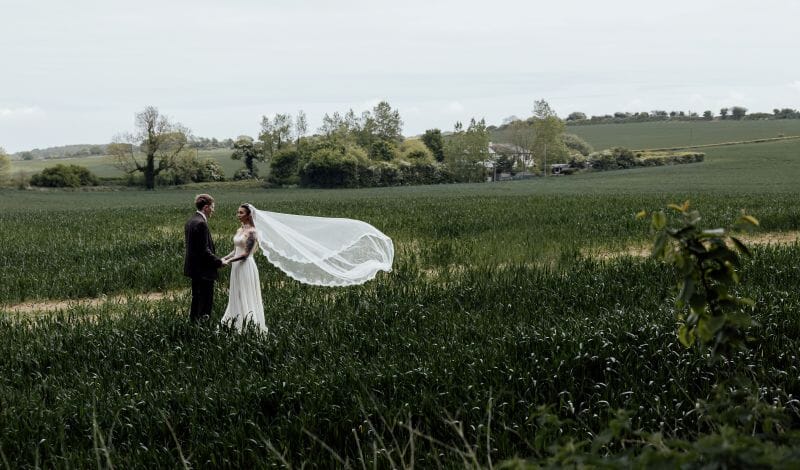
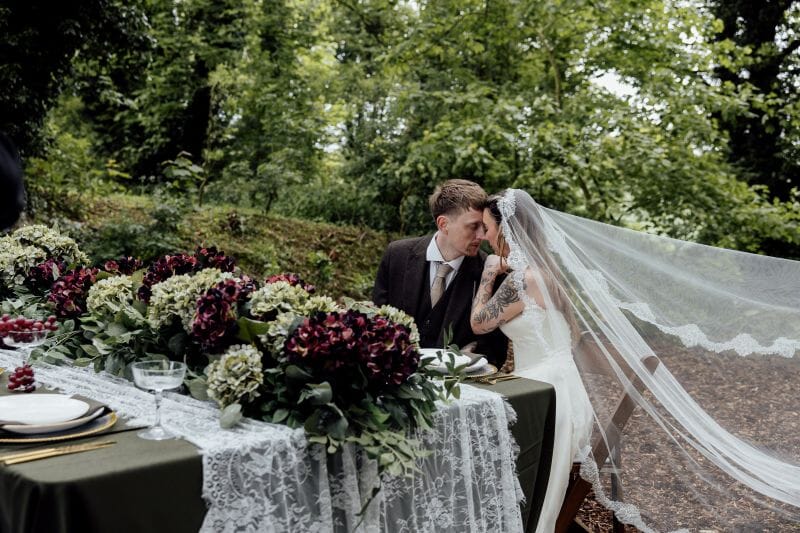
Fabric caught by the wind brings movement and softness that heavily arranged styling often loses. Layered textures add richness without filling a space with decoration, while gardens, woodland and historic buildings already carry their own atmosphere. The strongest images usually come from real connection and interaction rather than trying to perfect every frame for the camera.
That is often what makes imagery feel cinematic rather than staged.
What kind of venue suits this style best?
Places with history, character and an established sense of atmosphere tend to work beautifully. Manor houses, historic estates, private country homes and venues surrounded by gardens or woodland naturally provide the depth and texture this kind of styling needs.
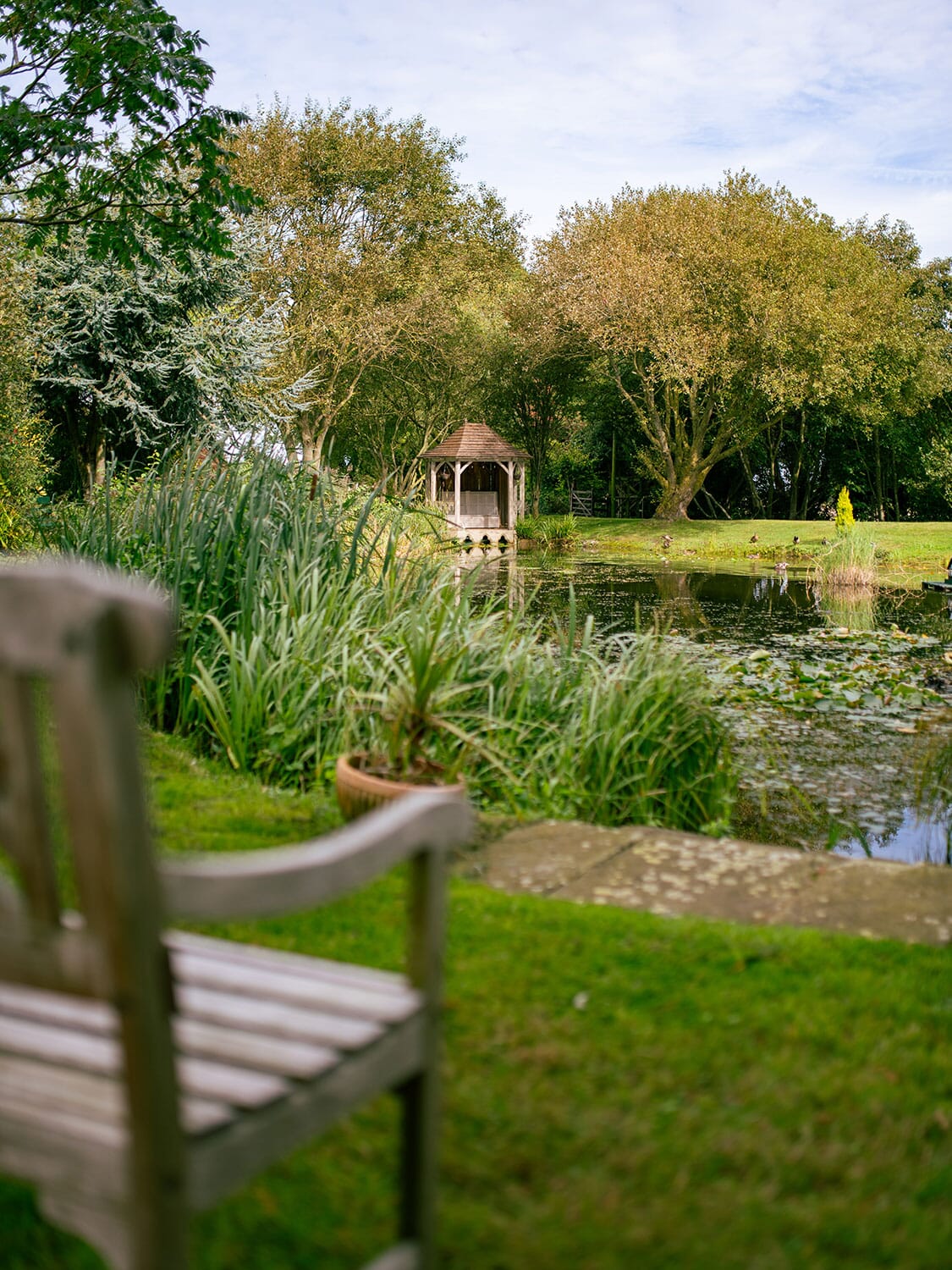
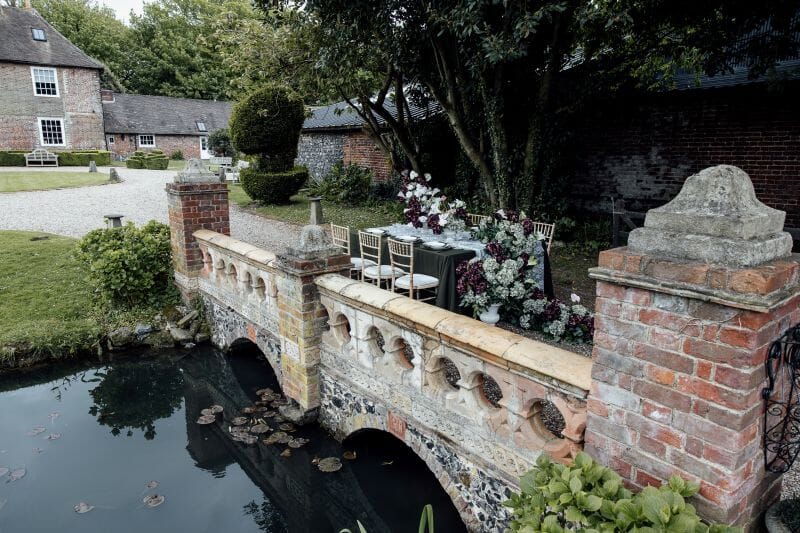
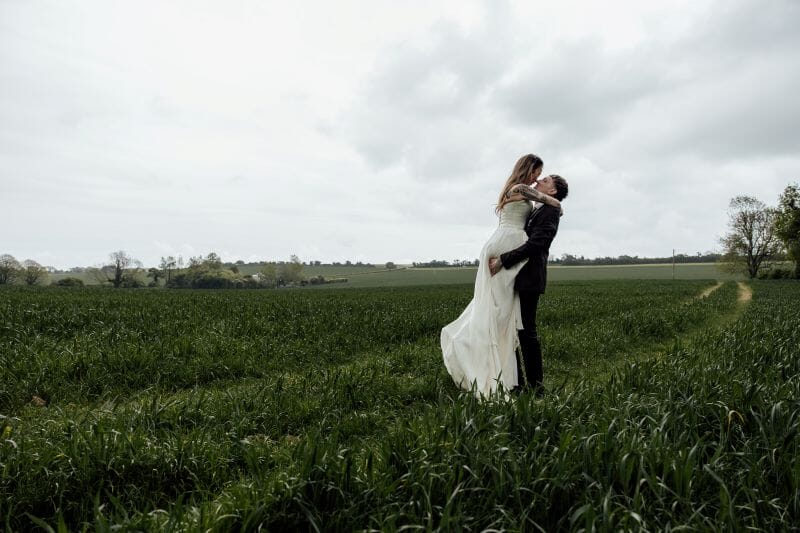
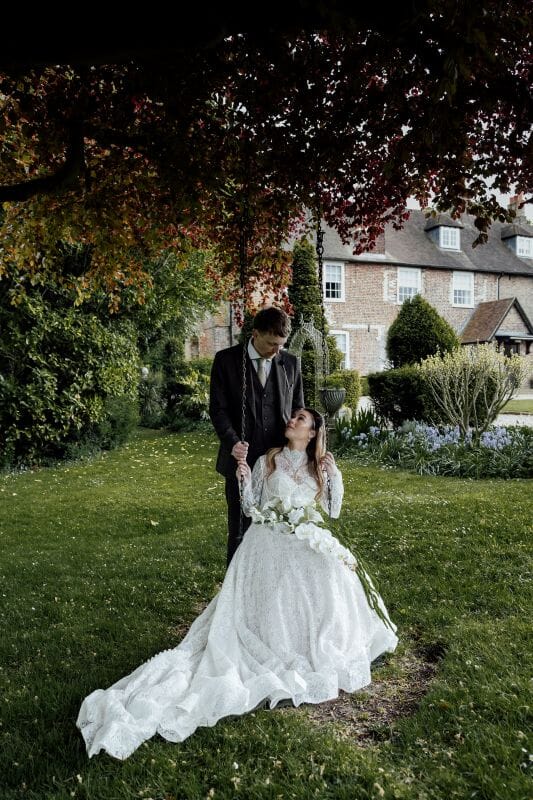
In settings like these, the landscape does far more than sit in the background. Pathways, trees, architecture and changing light all become part of the visual story, helping the wedding feel grounded in a real sense of place rather than artificially constructed.
Why does landscape matter so much in this aesthetic?
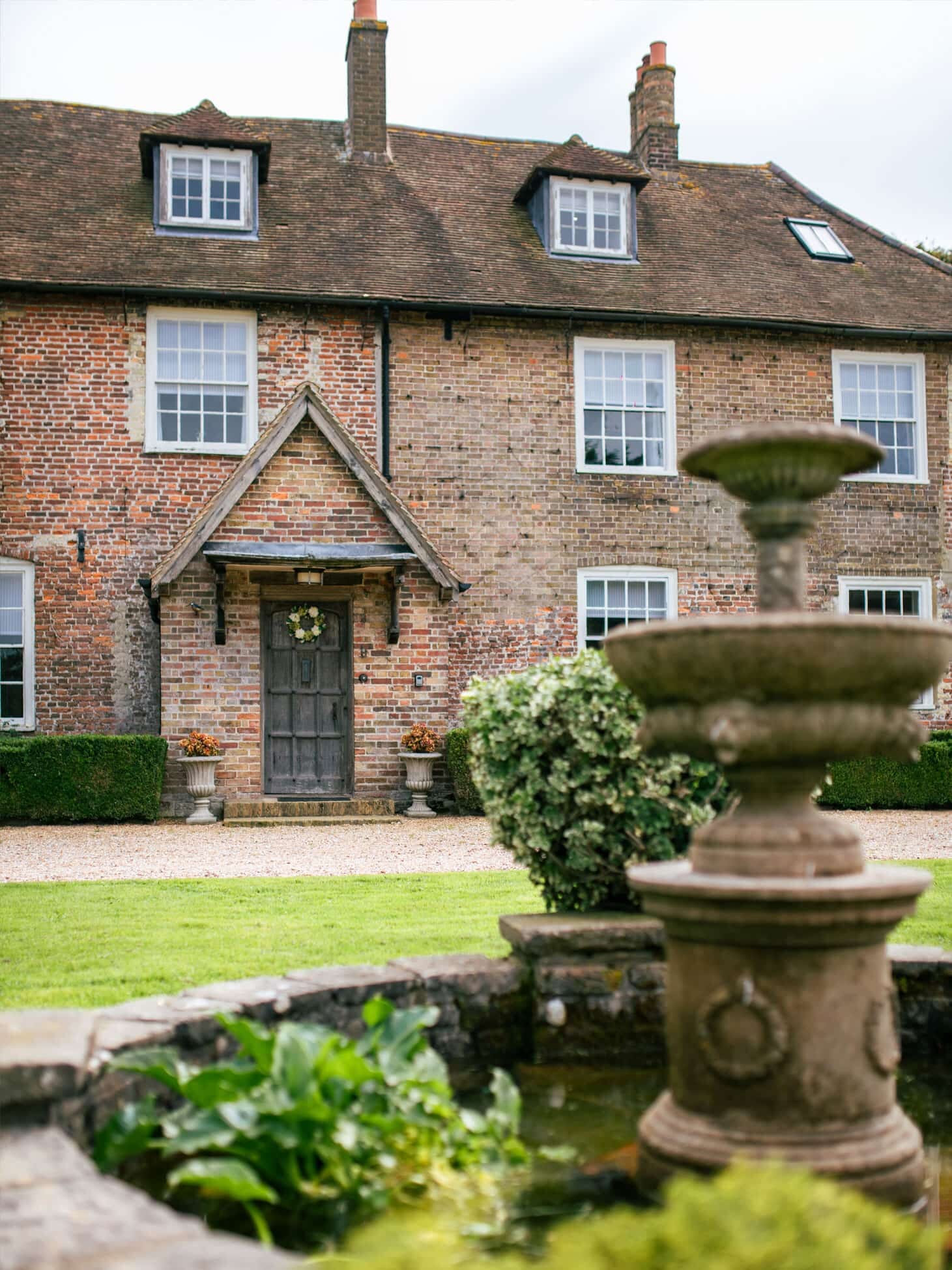
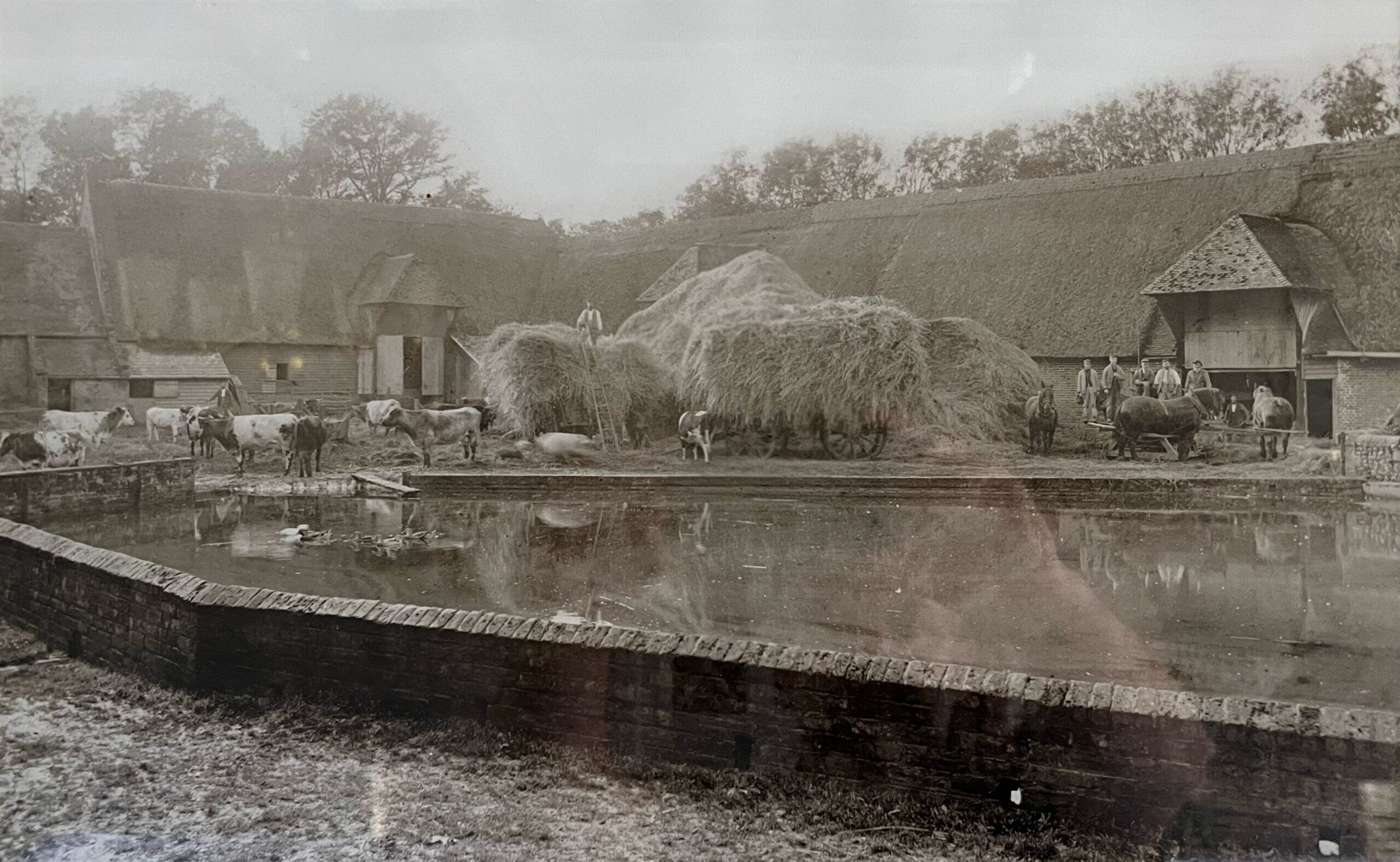
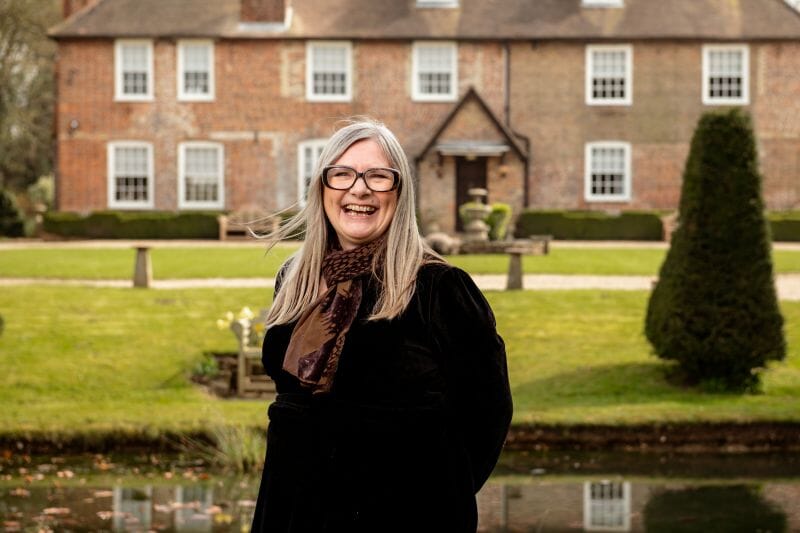
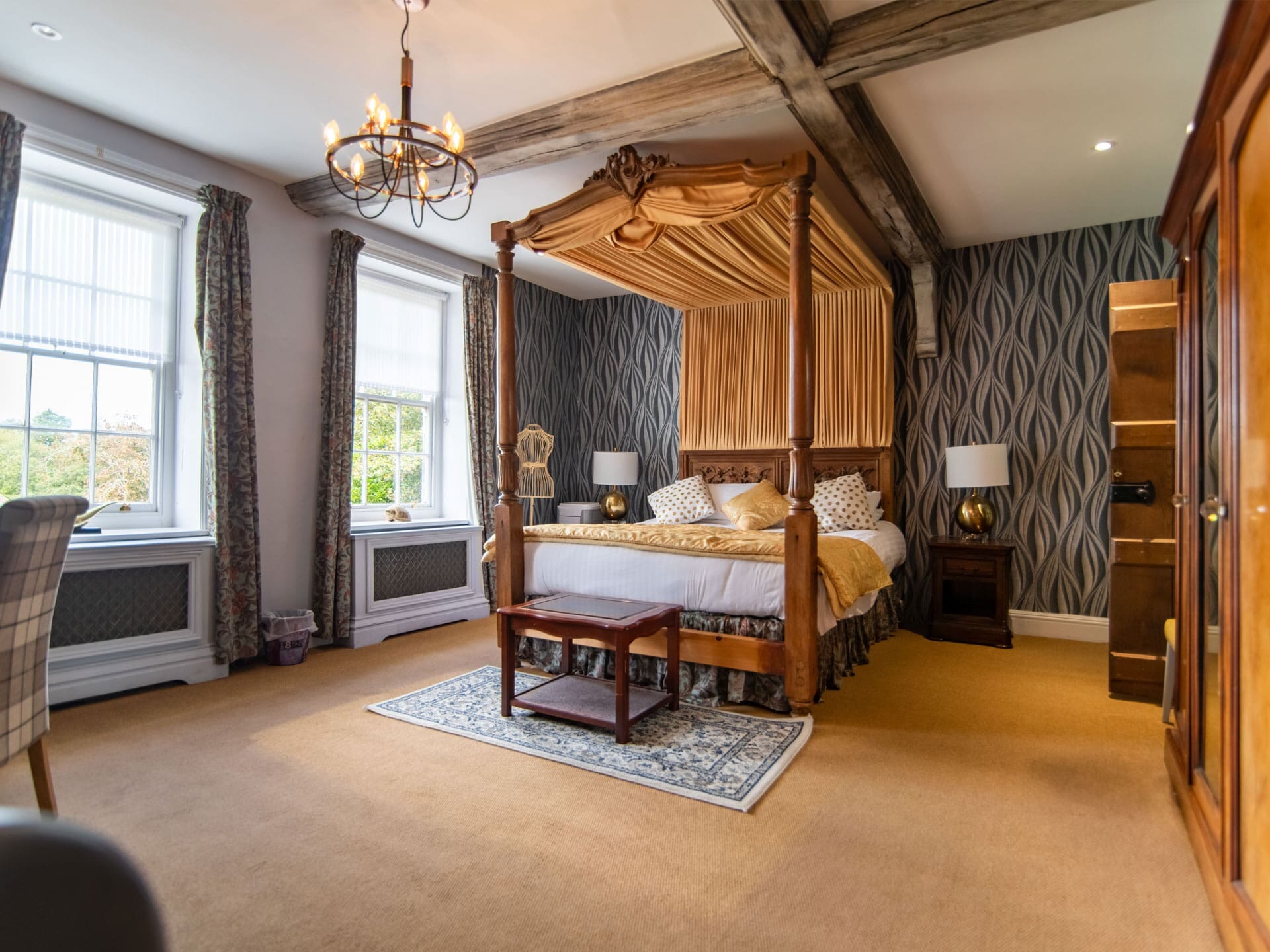
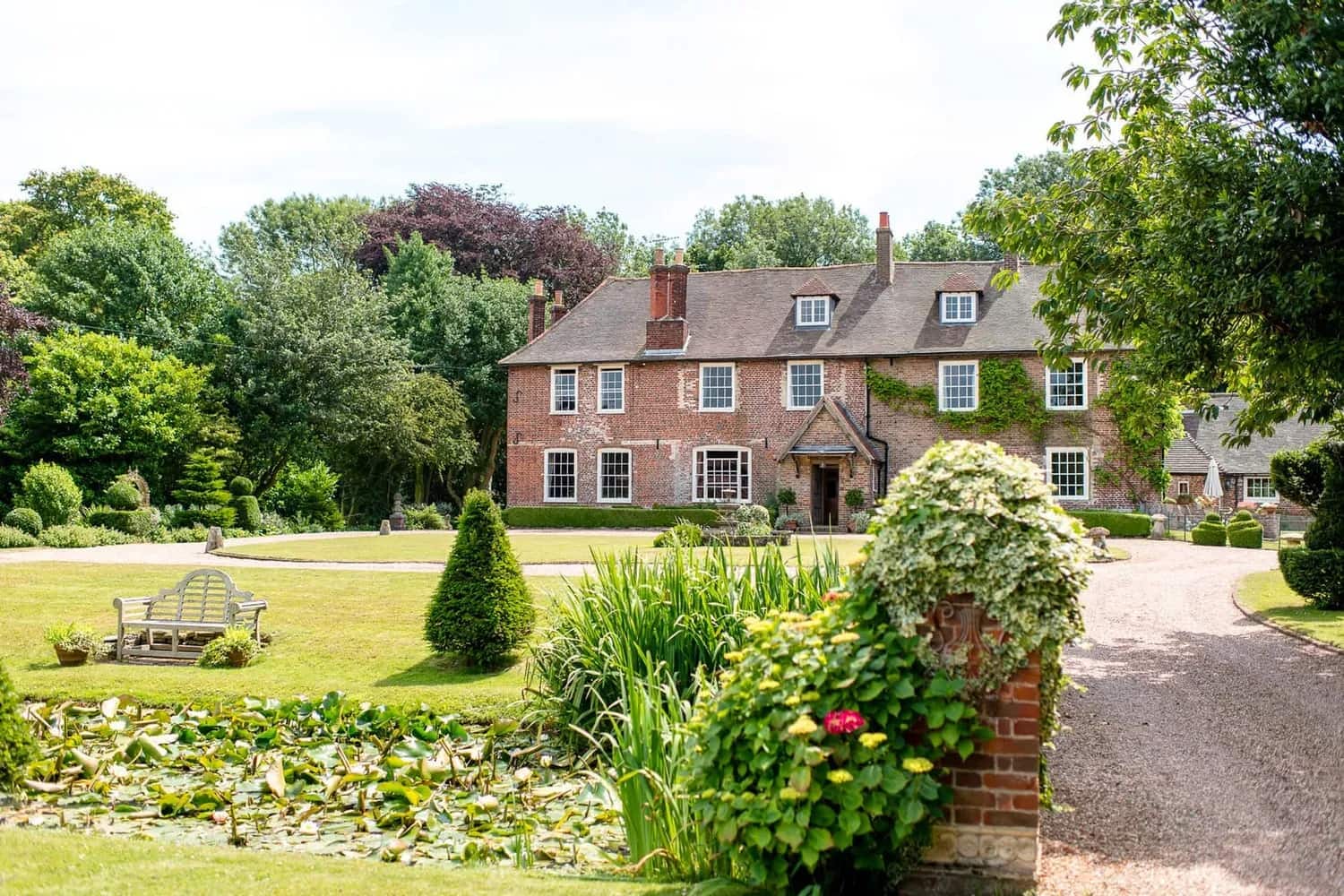
In traditional English portraiture, land and architecture represented identity, permanence and legacy. This visual language still resonates powerfully today. At places such as Solton Manor, this relationship between people and place carries additional meaning. Caring for a Grade II listed estate is not simply about preservation, but about stewardship: protecting layers of history, landscape and architectural character so they continue to evolve and remain lived in rather than frozen in time.
That sense of continuity subtly shapes the imagery itself. The surroundings do not feel like a backdrop added for decoration, but part of a much longer, authentic story into which the couple briefly step and share with family and friends.
What styling details help create this look?
Details that work particularly well include:
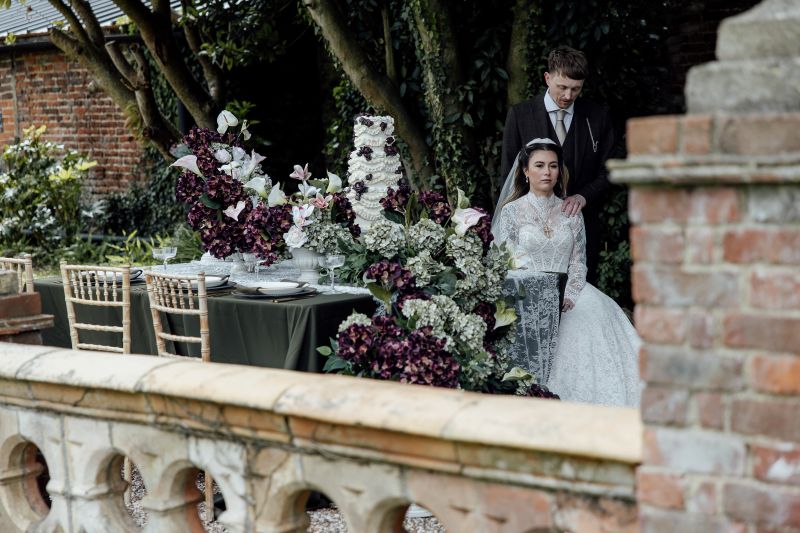
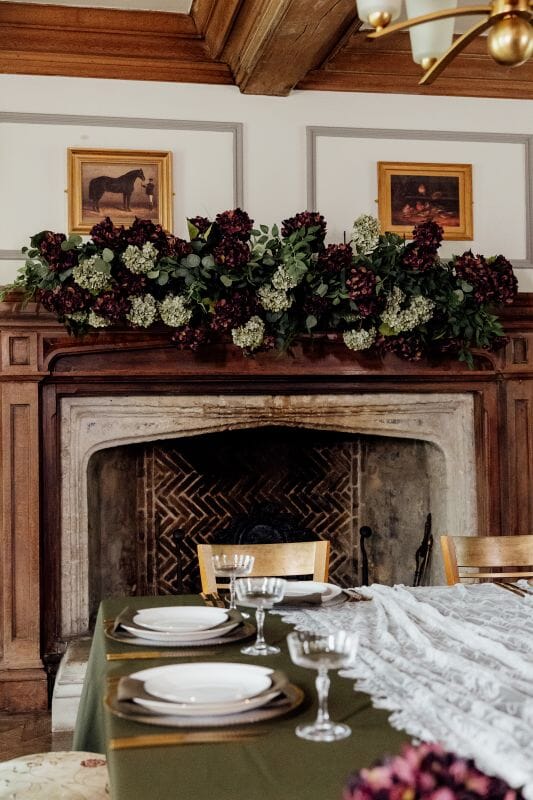
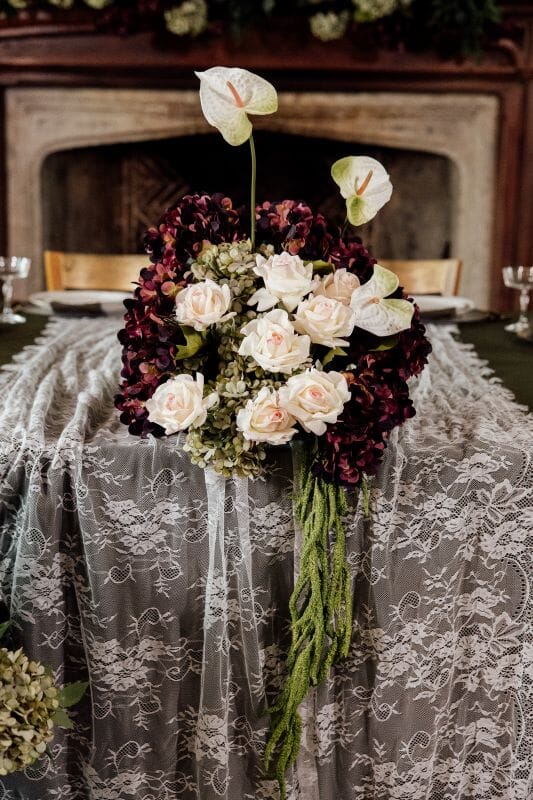
- layered lace and soft linens
- antique-inspired vessels and urns
- dramatic seasonal florals and fruit
- muted, earthy colour palettes
- textured fabrics such as silk, velvet and chiffon
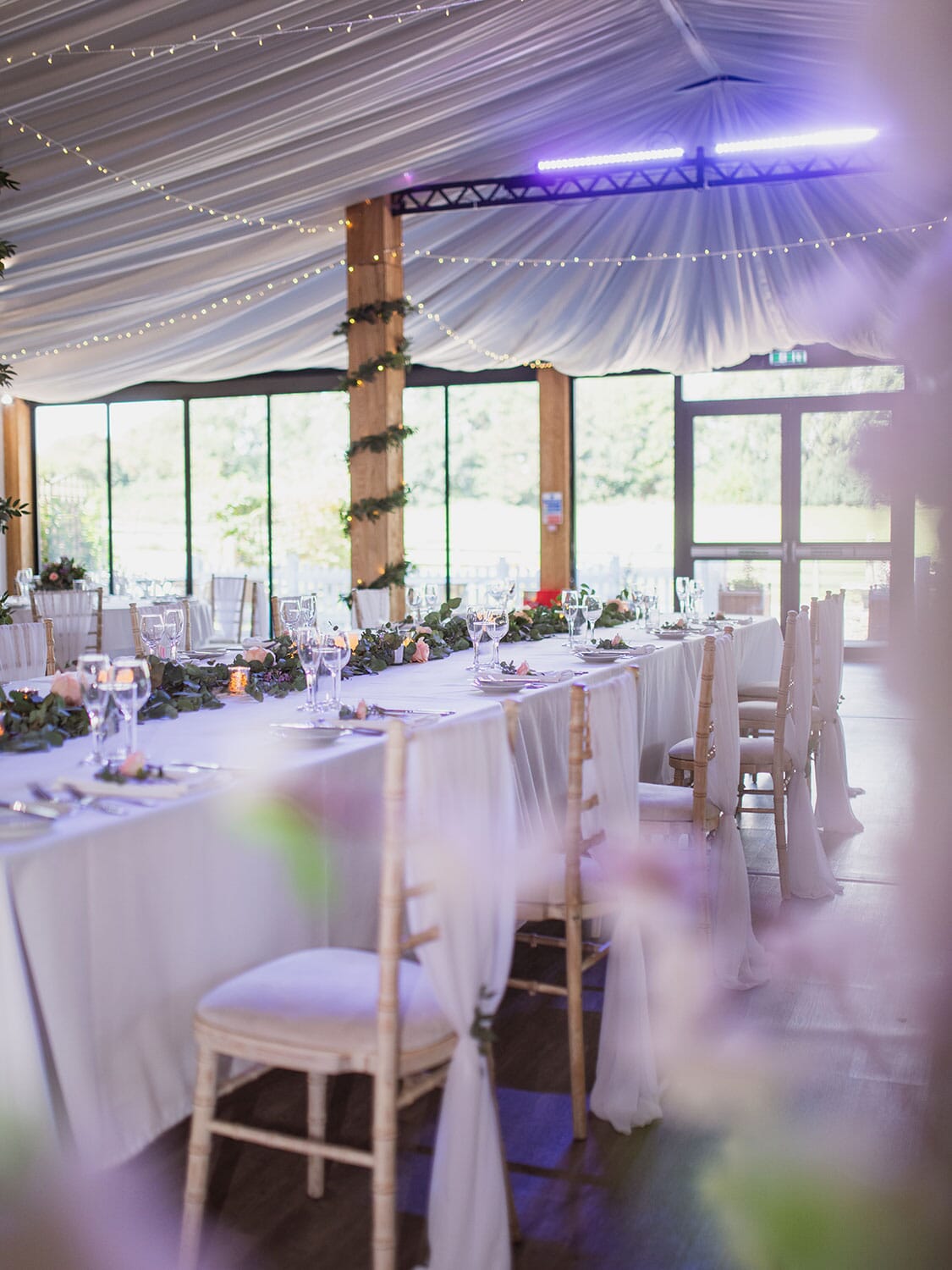
- banquet tables and chairs positioned within the landscape
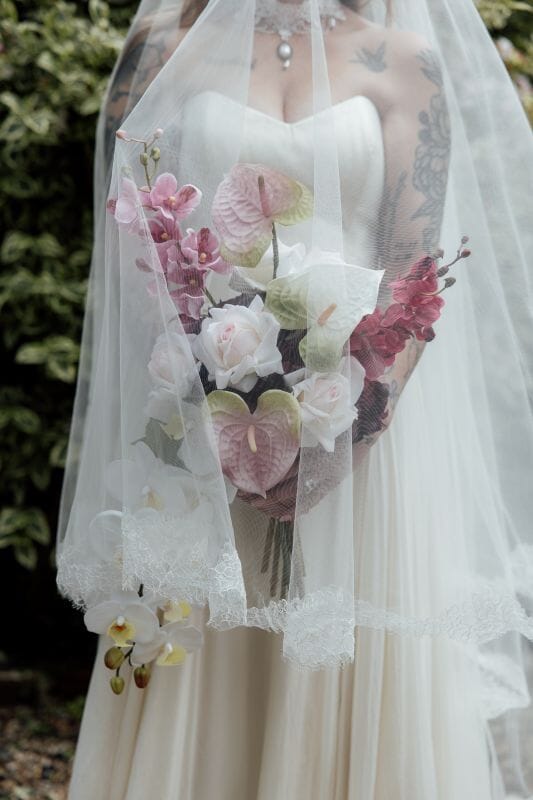
- fashion-led bridal styling and make-up with movement and softness.
How did the cake work alongside the tablescape and fashion styling?
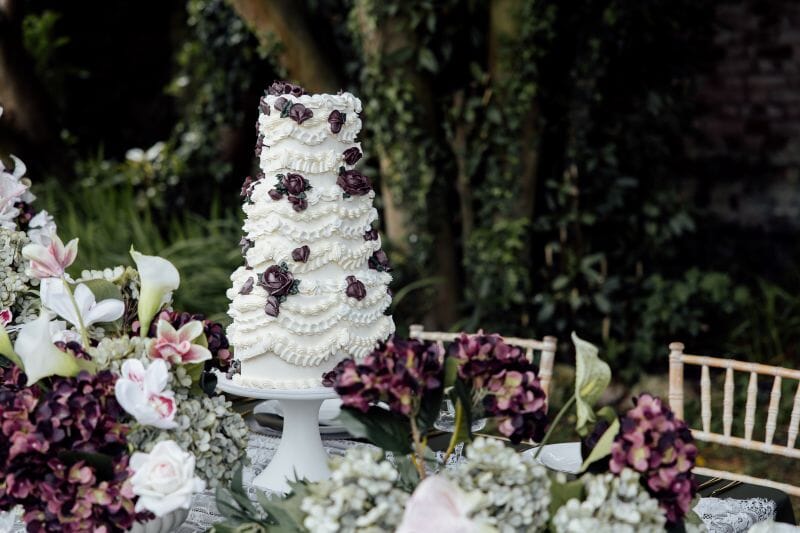
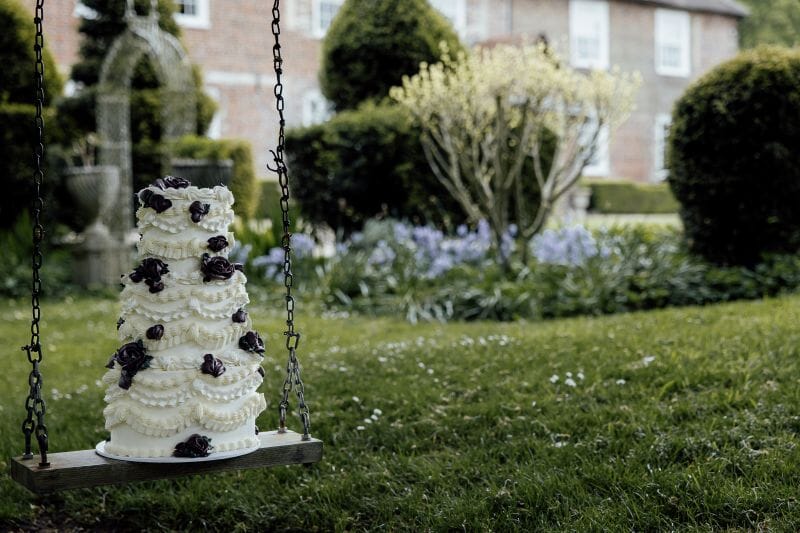
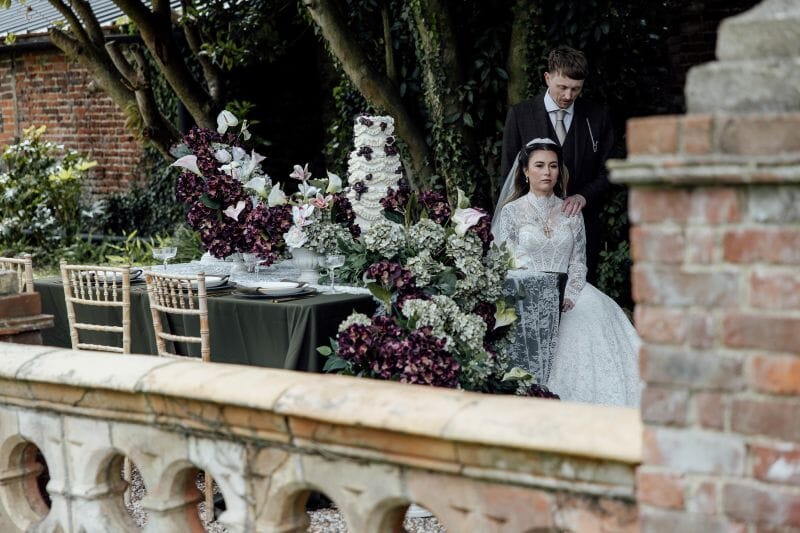
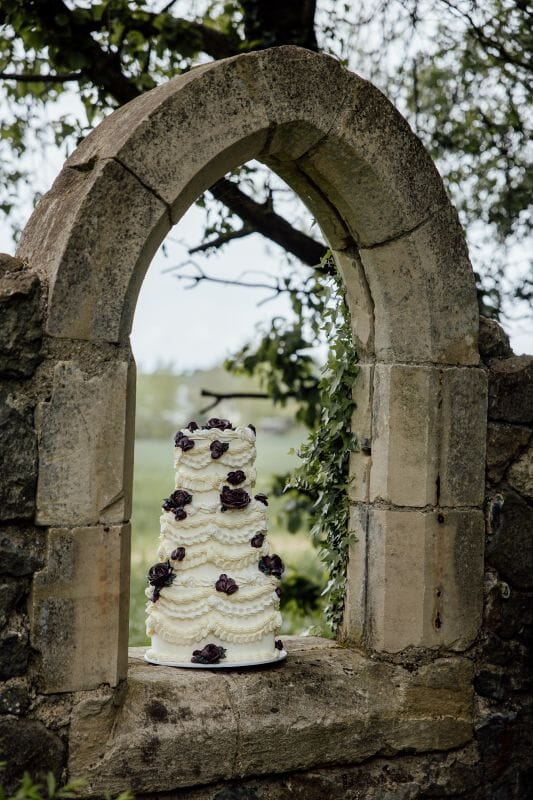
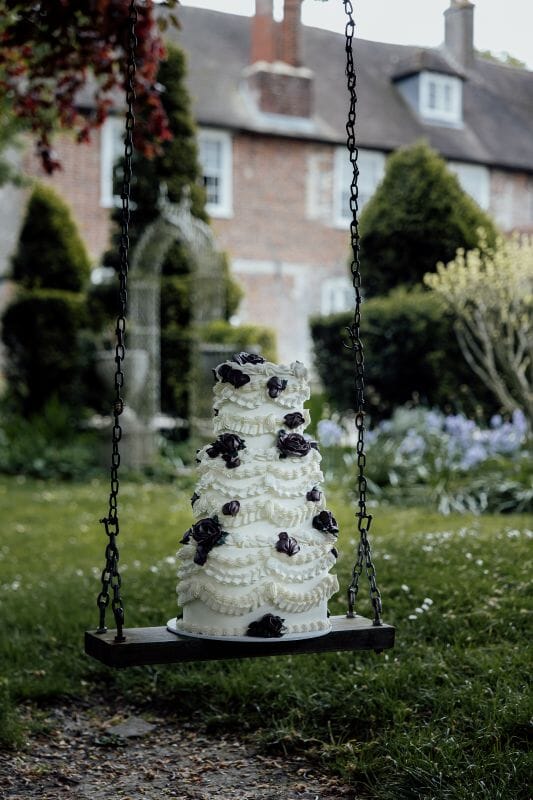
Every element of the shoot worked together visually, with the cake introducing sculptural height, texture and a sense of theatrical drama.
Its intricate piping and dramatic floral detailing echoed the romantic opulence often seen in English portraiture and historic banquet paintings. Increasingly, wedding cakes serve as artistic centrepieces that shape atmosphere, storytelling and emotional tone in the same way fashion, flowers and interiors shape an editorial. In this setting, the cake actively strengthens the cinematic visual narrative, introducing texture, romance and theatricality into the composition itself. For a deeper exploration of how wedding cakes continue to influence modern luxury wedding styling, see our previous blog. https://share.google/eemQJfu6Z3SQYwRXz
Does the wedding need to be dark and dramatic?
Not necessarily. While this editorial leaned towards the emotional mood of Wuthering Heights, the same visual approach can work beautifully with softer romantic styling, spring florals or lighter palettes. The important element is the emotional atmosphere rather than colour alone.
What kind of photography works best with this style?
Photography that feels natural, atmospheric and story led tends to suit this aesthetic particularly well. Fine art, documentary and editorial approaches can all work beautifully, especially when the photographer understands movement, composition and natural light.
Rather than relying heavily on posed shots, the strongest imagery usually comes from capturing real interaction, quiet moments and the relationship between the couple and their surroundings.
Can this style work for a real wedding rather than only a styled shoot?
Yes, and often even more successfully. Real weddings bring a level of emotion, movement and unpredictability that naturally stops the styling from feeling too perfect or over considered.
The most successful weddings in this style tend to leave space for real moments to happen naturally rather than trying to control every photograph or detail throughout the day.
How important are florals within this style?
Florals are incredibly important because they help bridge the relationship between architecture and nature. Organic installations, seasonal blooms, climbing florals and slightly untamed arrangements all work beautifully within this aesthetic.
What colours work best for this style of wedding?
Muted olives, deep plums, faded greens, charcoal tones, and earthy neutrals contrast with soft creams, all of which lend themselves beautifully to this style because they sit naturally within historic architecture and landscape settings.
Can contemporary fashion and jewellery still work within this aesthetic?
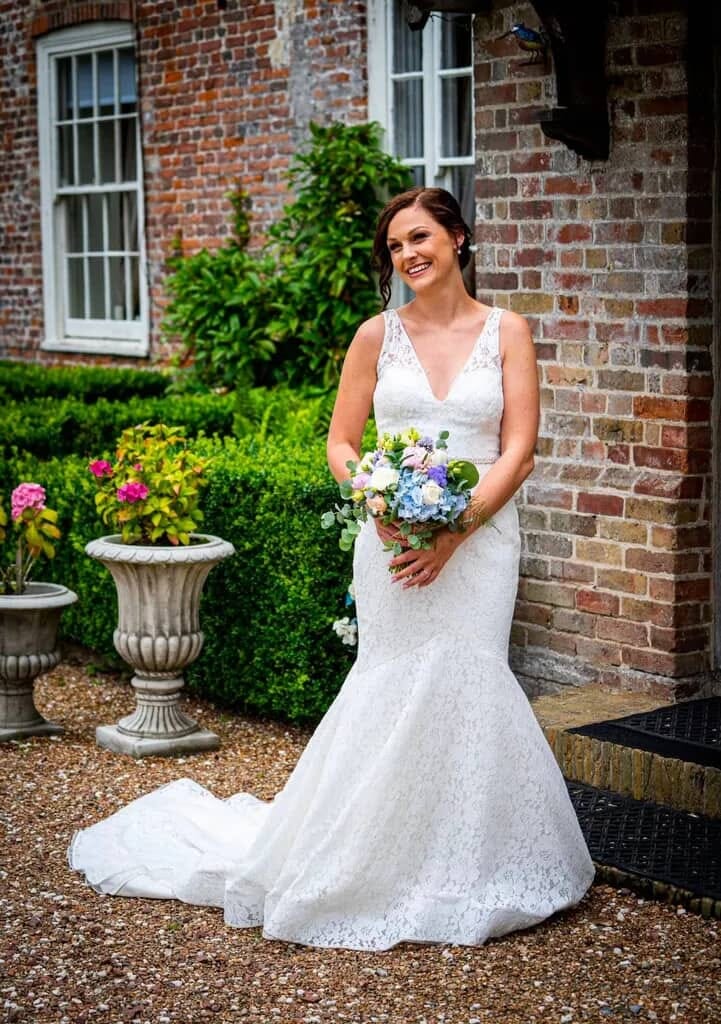
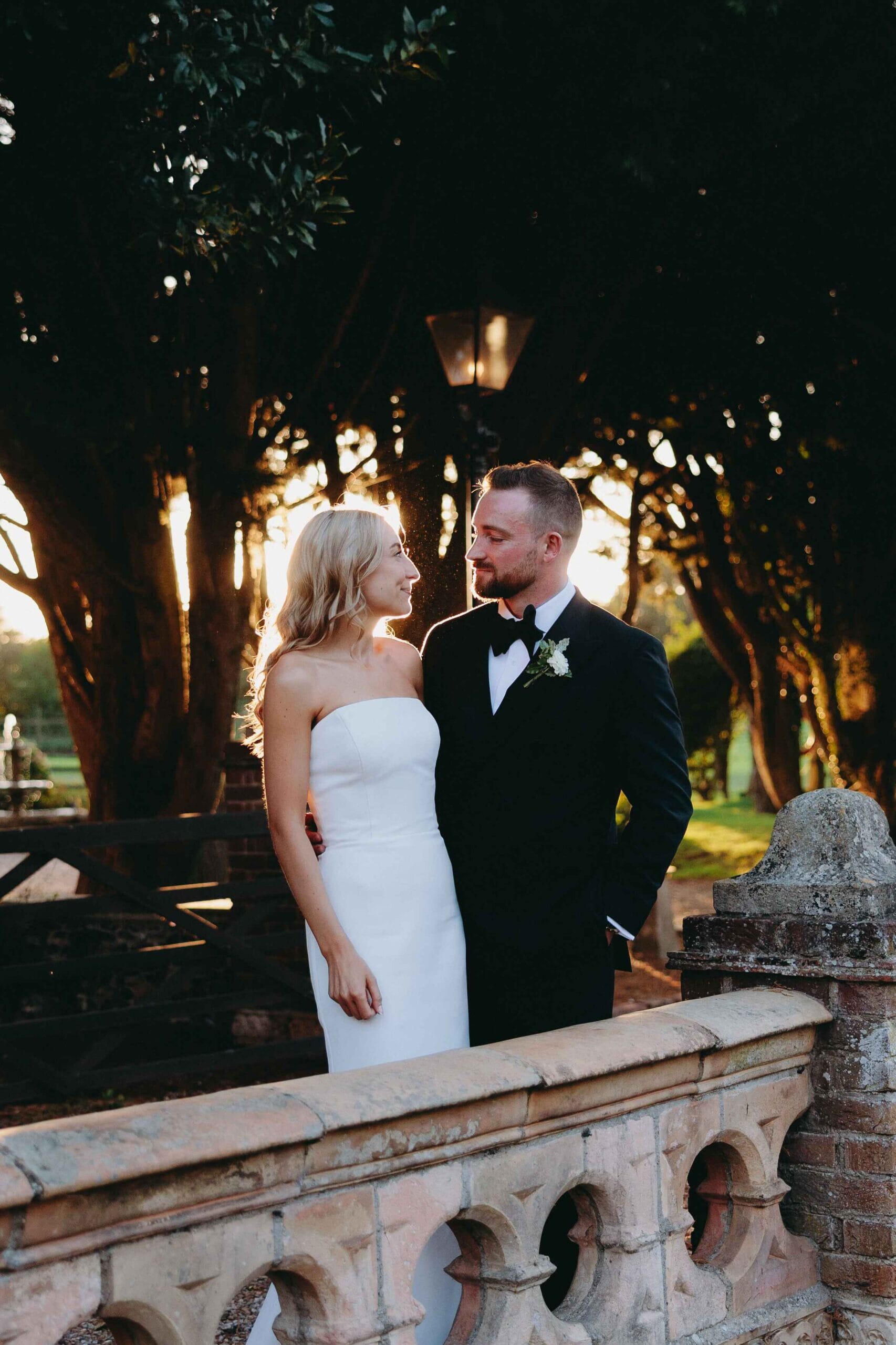
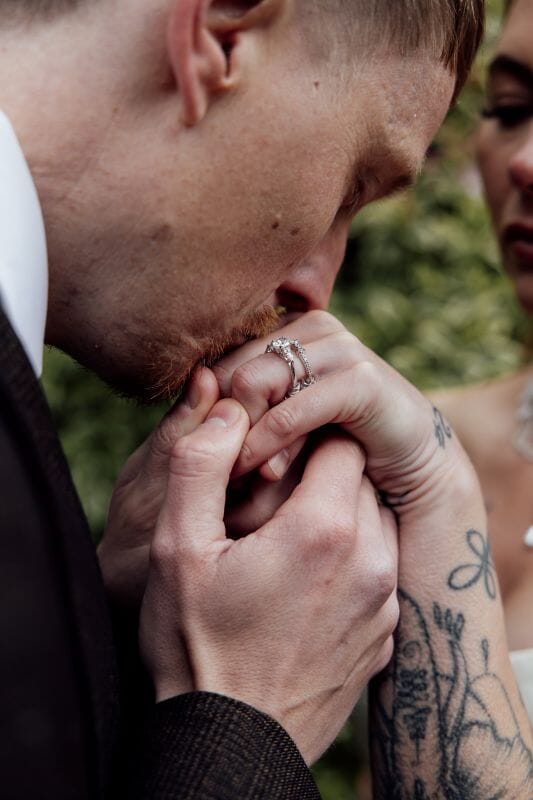
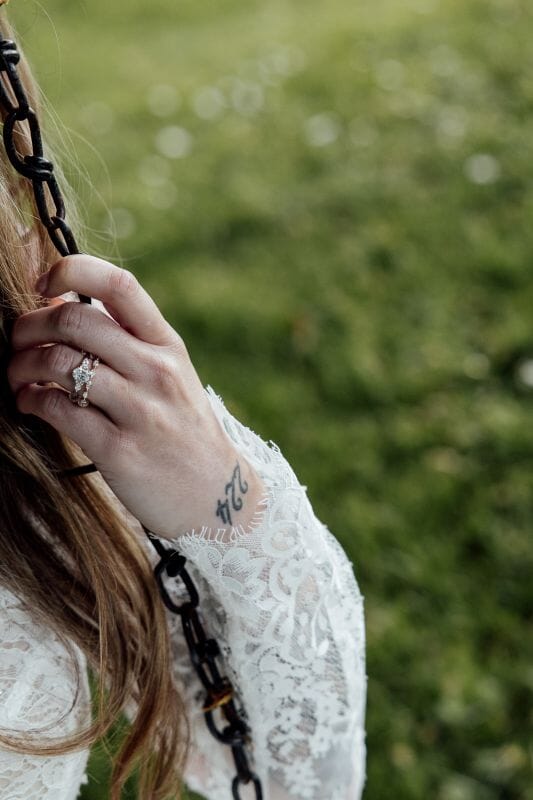
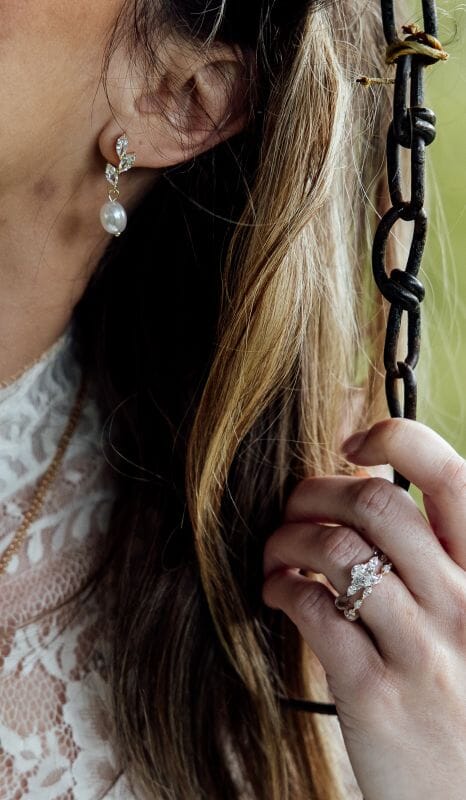
Yes, and arguably it works even better. One of the most striking aspects of this editorial is the contrast between modern silhouettes, the close-up details of the couple’s contemporary wedding bands, and the historic surroundings. Contemporary bridal fashion prevents the styling from becoming pastiche.
What makes this style feel “luxury” without becoming performative?
The luxury comes from restraint, atmosphere and intentionality rather than excess. Thoughtful details, exceptional florals, beautiful fabrics, antique lace, faux candlelight, landscape and emotional storytelling create a sense of richness without resorting to visual overload.
Is this aesthetic suitable for smaller weddings?
Very much so. Intimate weddings often allow couples to focus more deeply on styling, atmosphere and experience. Smaller guest numbers also allow spaces such as woodland clearings, gardens and long outdoor tables to feel especially cinematic.
How do we stop the styling from becoming trend-led?
Focus on timeless materials, textures, colours, emotional atmosphere and meaningful surroundings rather than social media trends. Historic architecture, nature, faux candlelight and beautifully considered florals tend to remain visually timeless because they are rooted in classic composition rather than fleeting aesthetics.
What is the biggest mistake couples make when trying to achieve this look?
Trying too hard to recreate a period aesthetic. The most successful weddings inspired by this visual language feel emotionally authentic and contemporary while quietly borrowing from history, art and landscape.