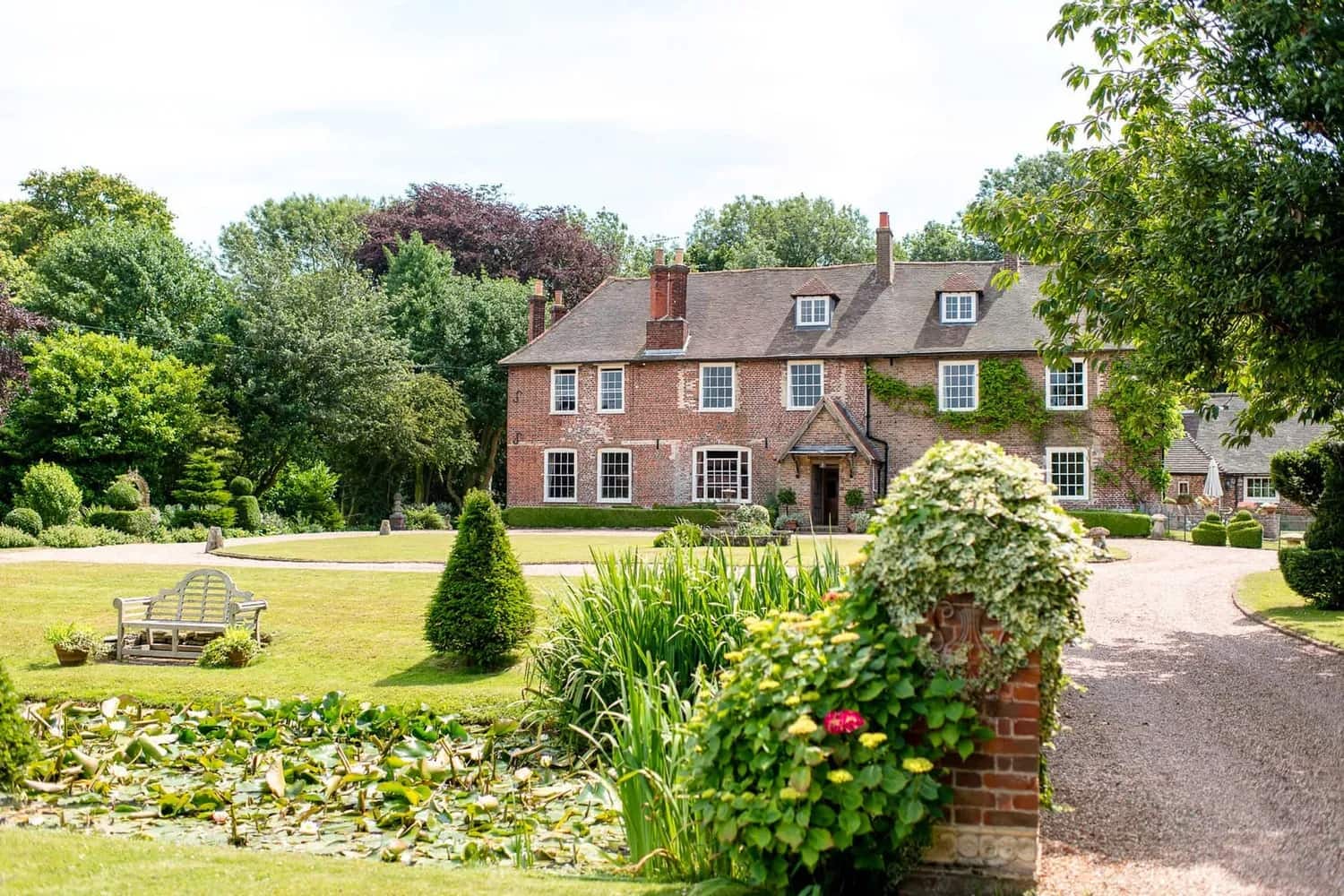
They’re already built
Every new-build constructed carries a carbon cost. Building, transporting, and assembling materials all release harmful greenhouse gas emissions, not to mention the heavy energy use and waste from construction.
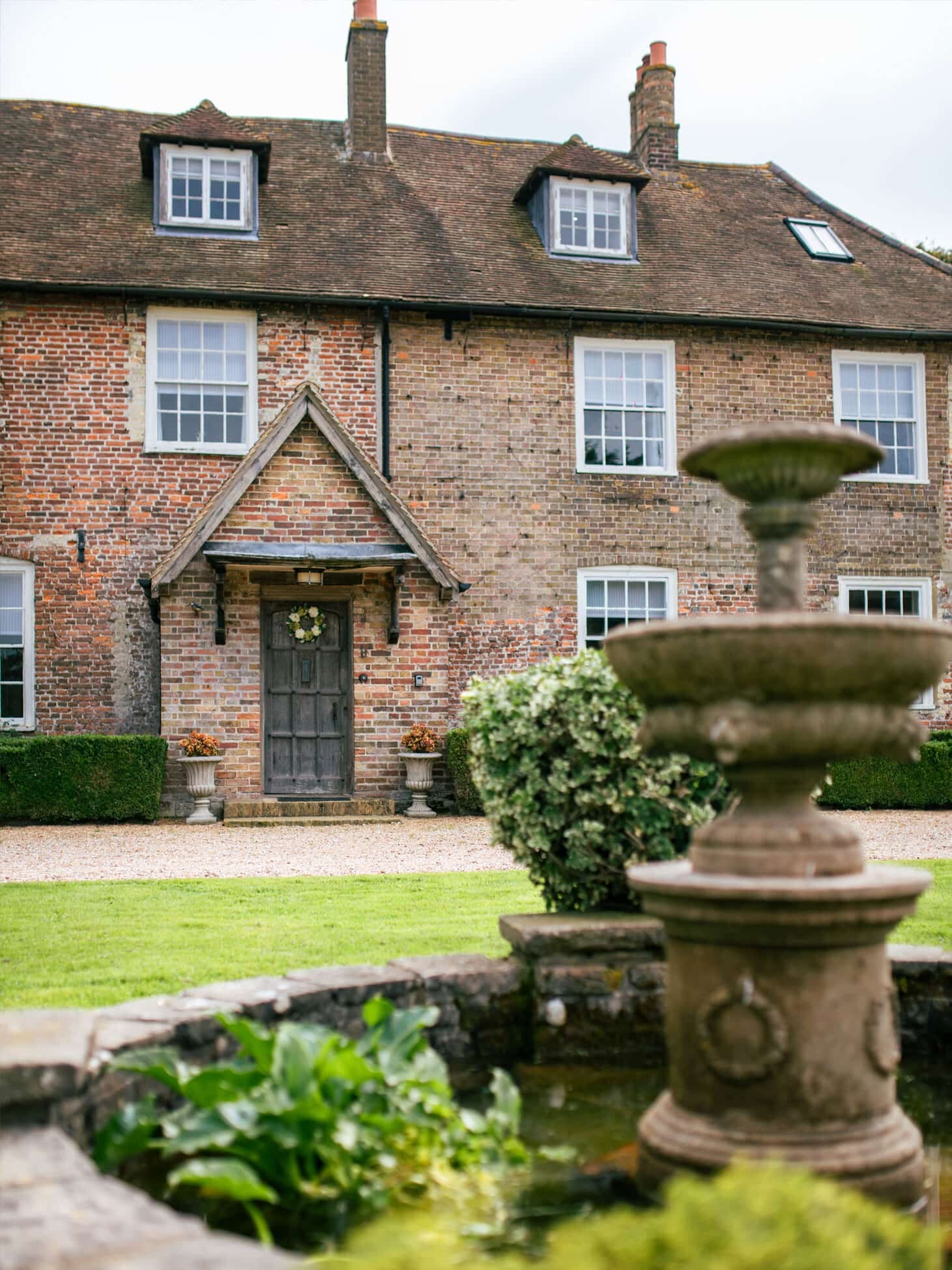
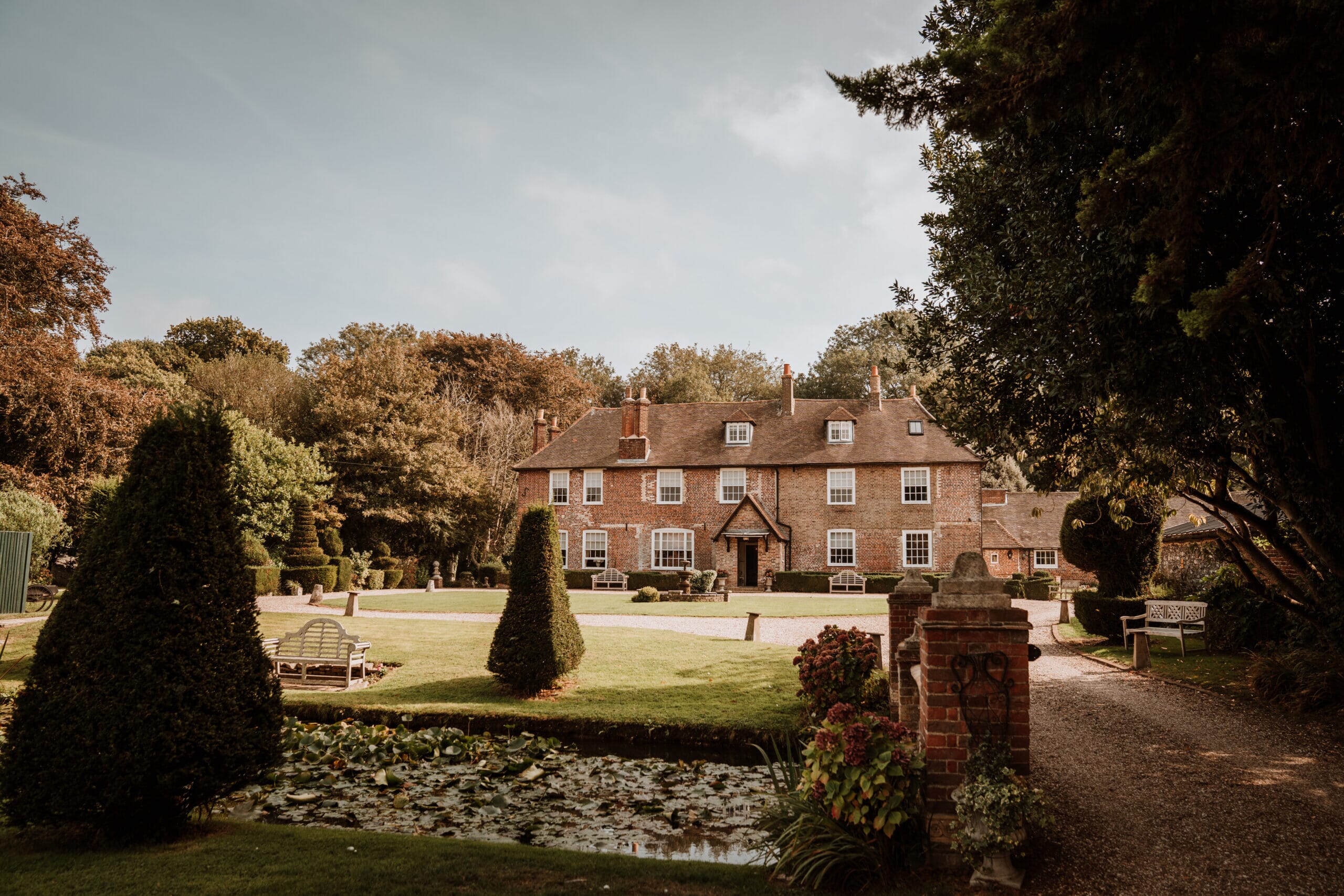
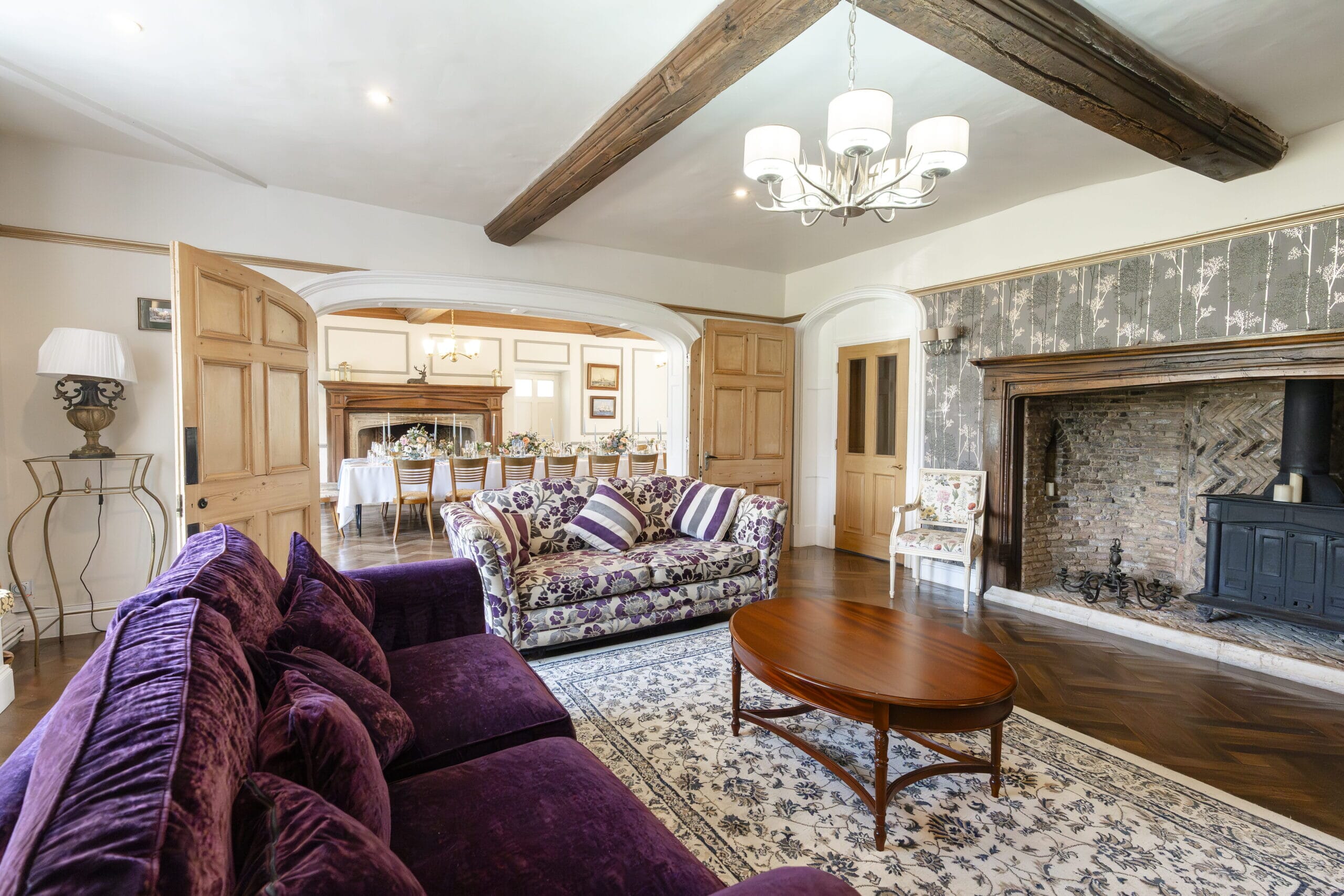
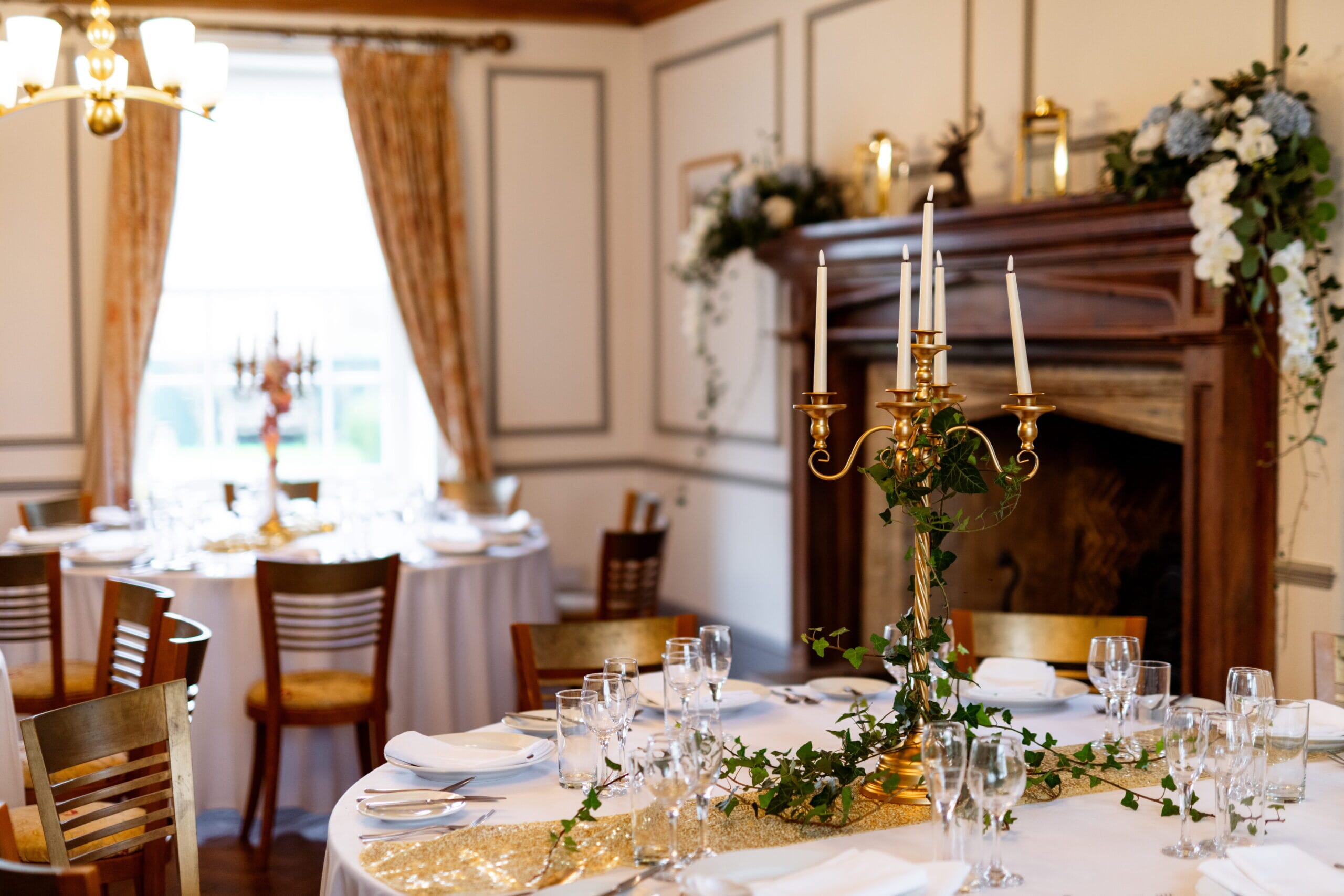
Historic wedding venues avoid this carbon cost because no new building is needed. You can tie the knot in a beautiful historic building, without fear of contributing to the rising greenhouse gas levels.
They’re repaired and repurposed
Research from Historic England suggests that to meet the government’s target of being carbon neutral by 2050, we must recycle, reuse, repurpose, and responsibly adapt our existing historic buildings.
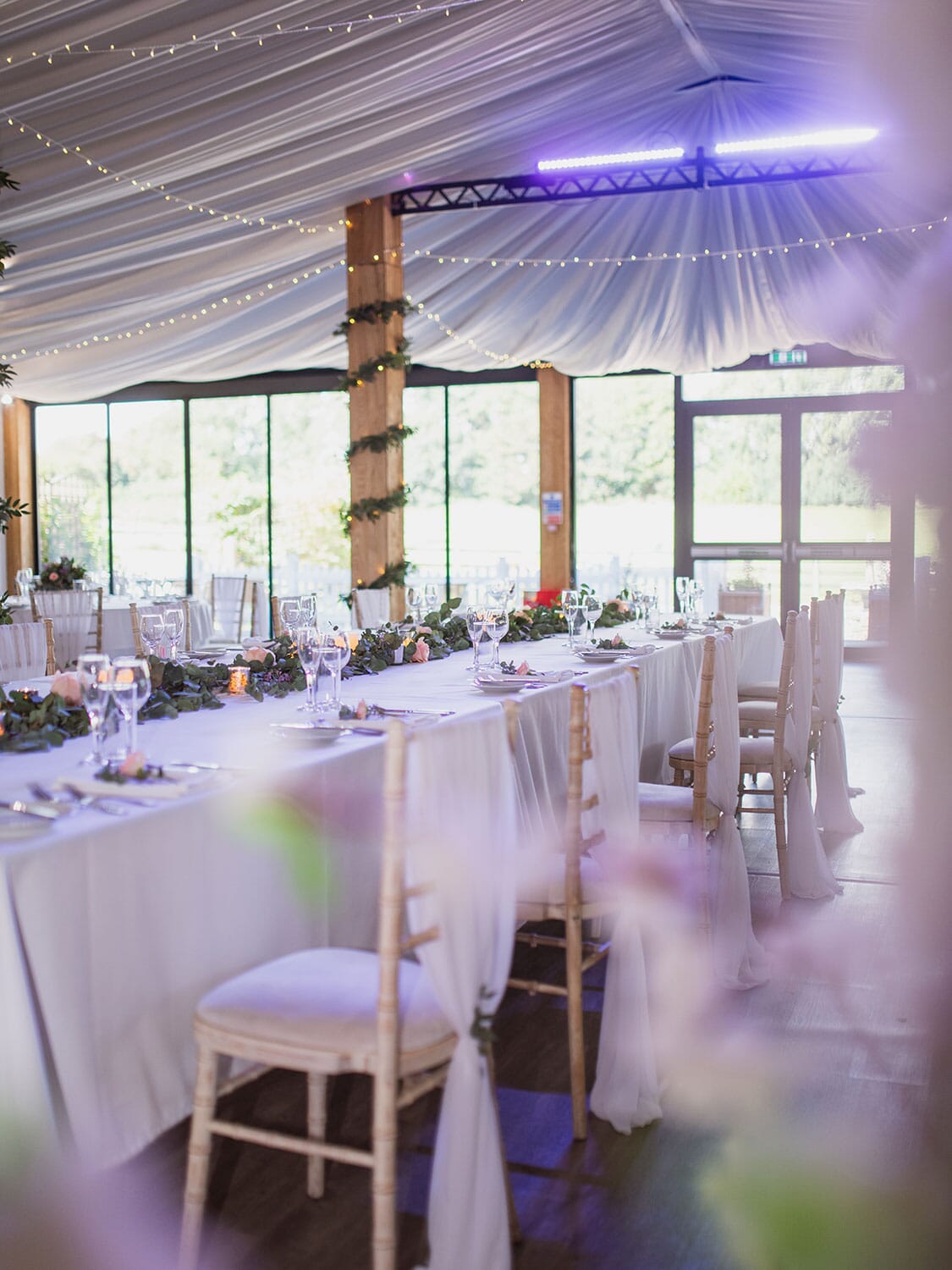
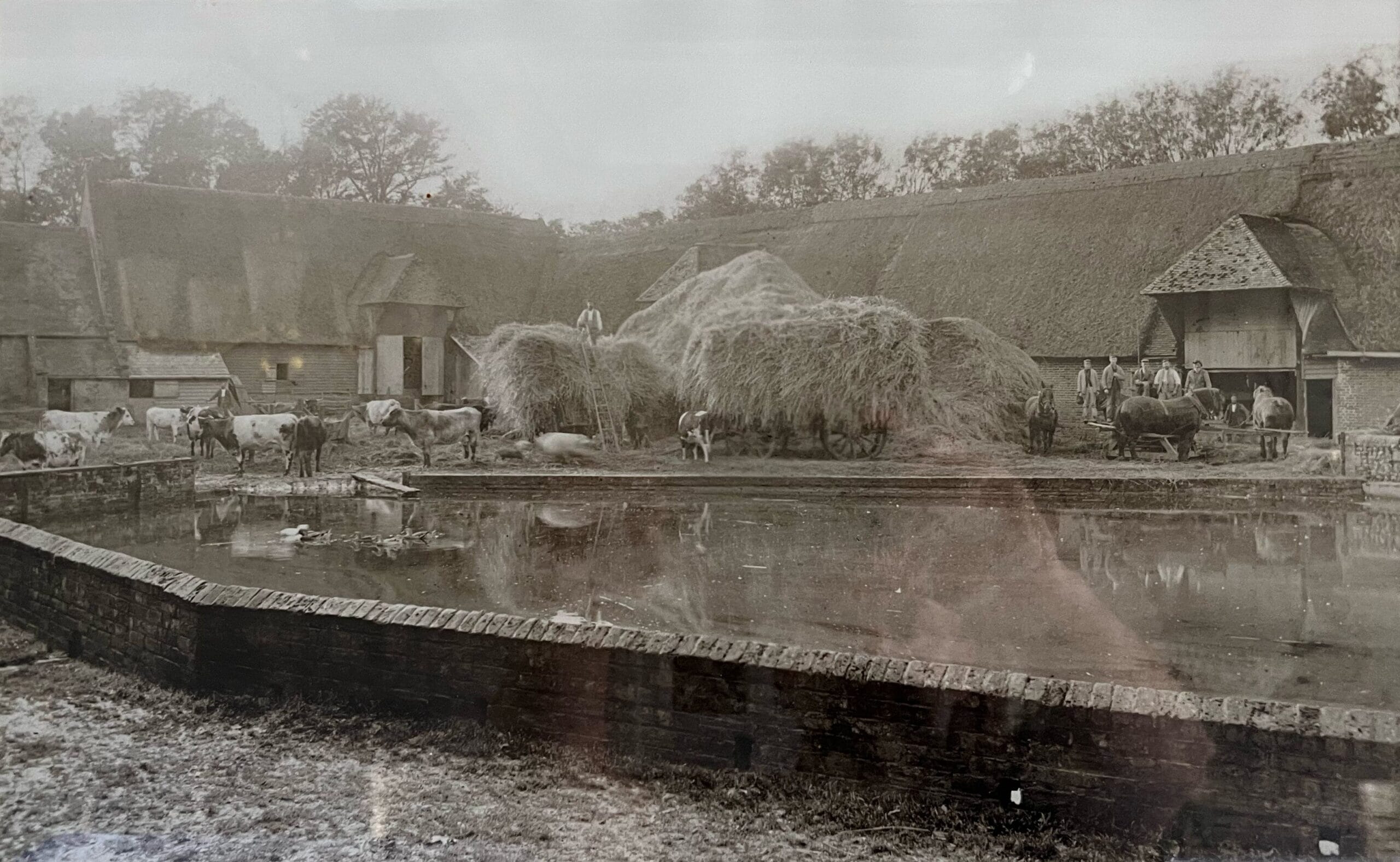
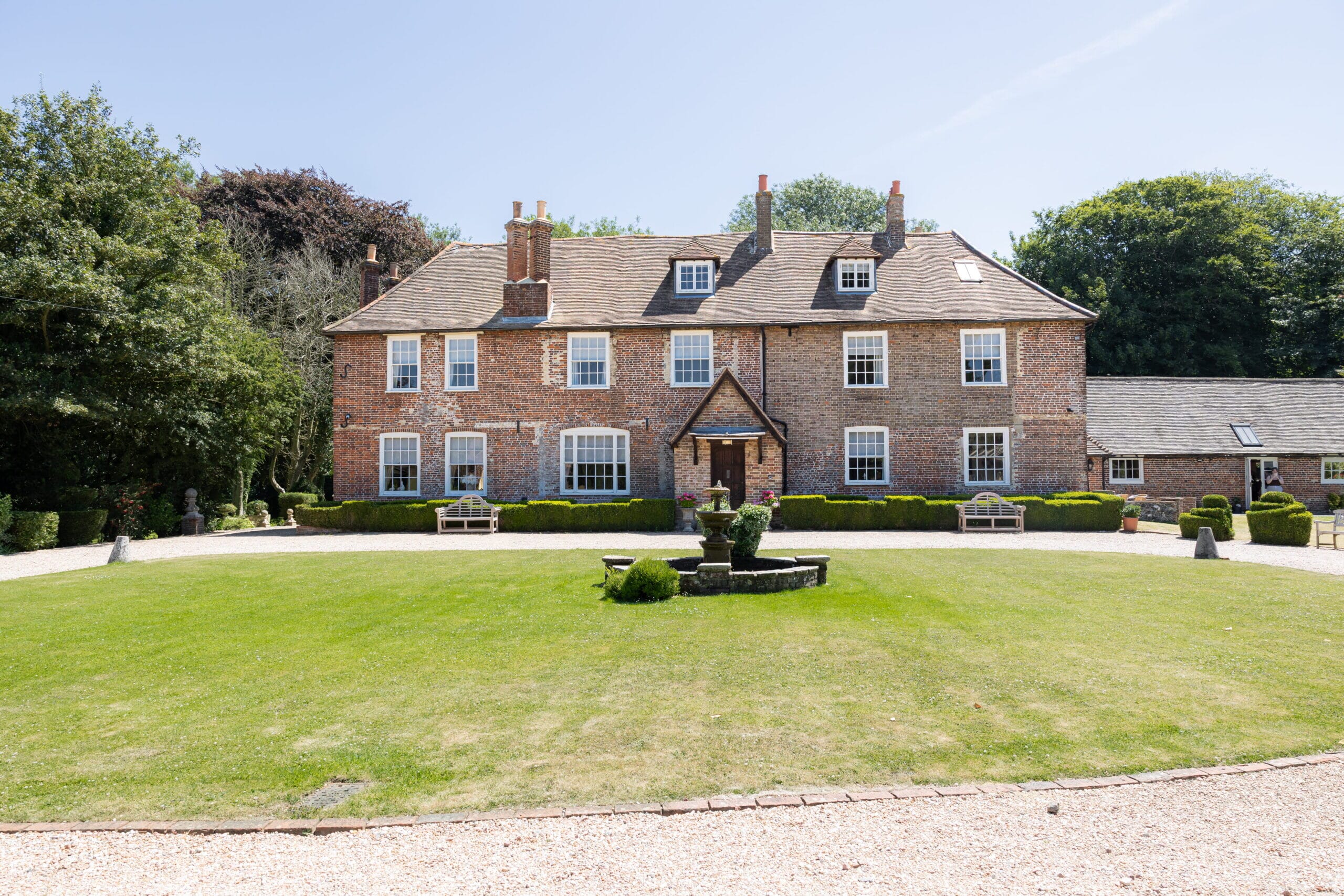
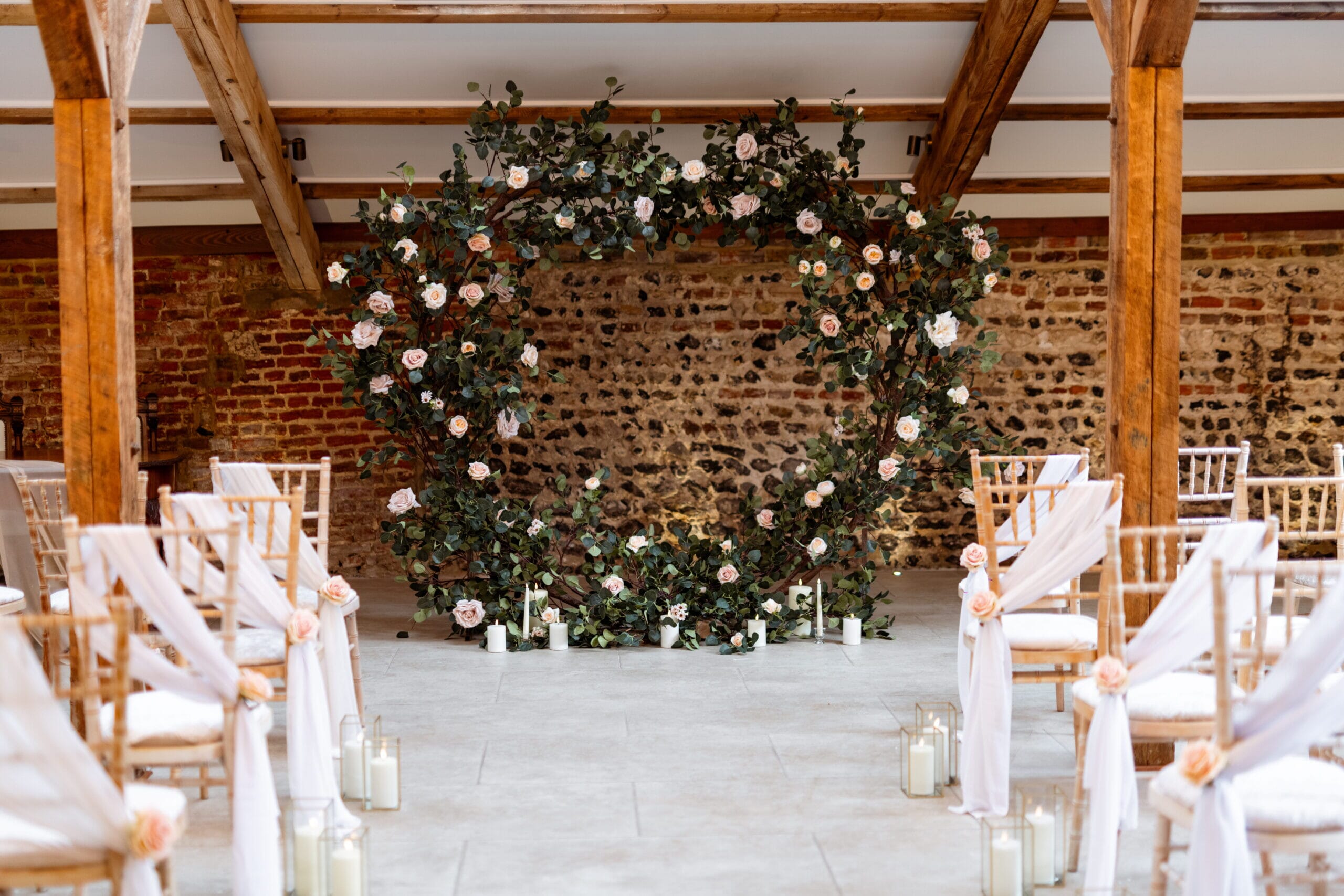
Many historic estates, including Solton Manor, survive because they do exactly this. Generations adapt and restore them over time rather than knocking them down and starting all over again. A great example of this was our recent renovation project of the Old Stables. Instead of building a new ceremony room, we brought the original stables back to life with the help of a local builder and interior designer, keeping the character and craftsmanship that made them so special.
Their grounds have had time to mature
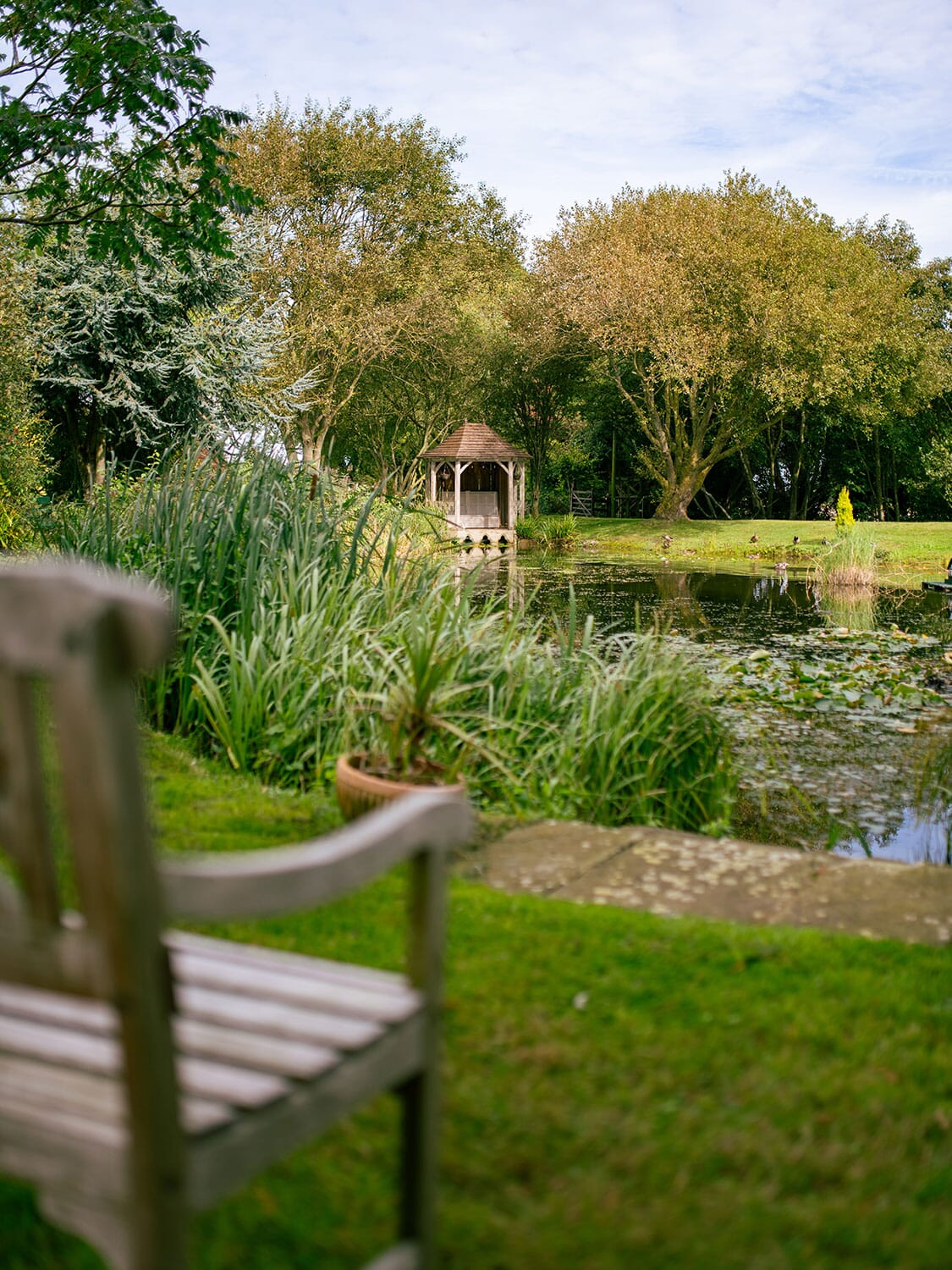
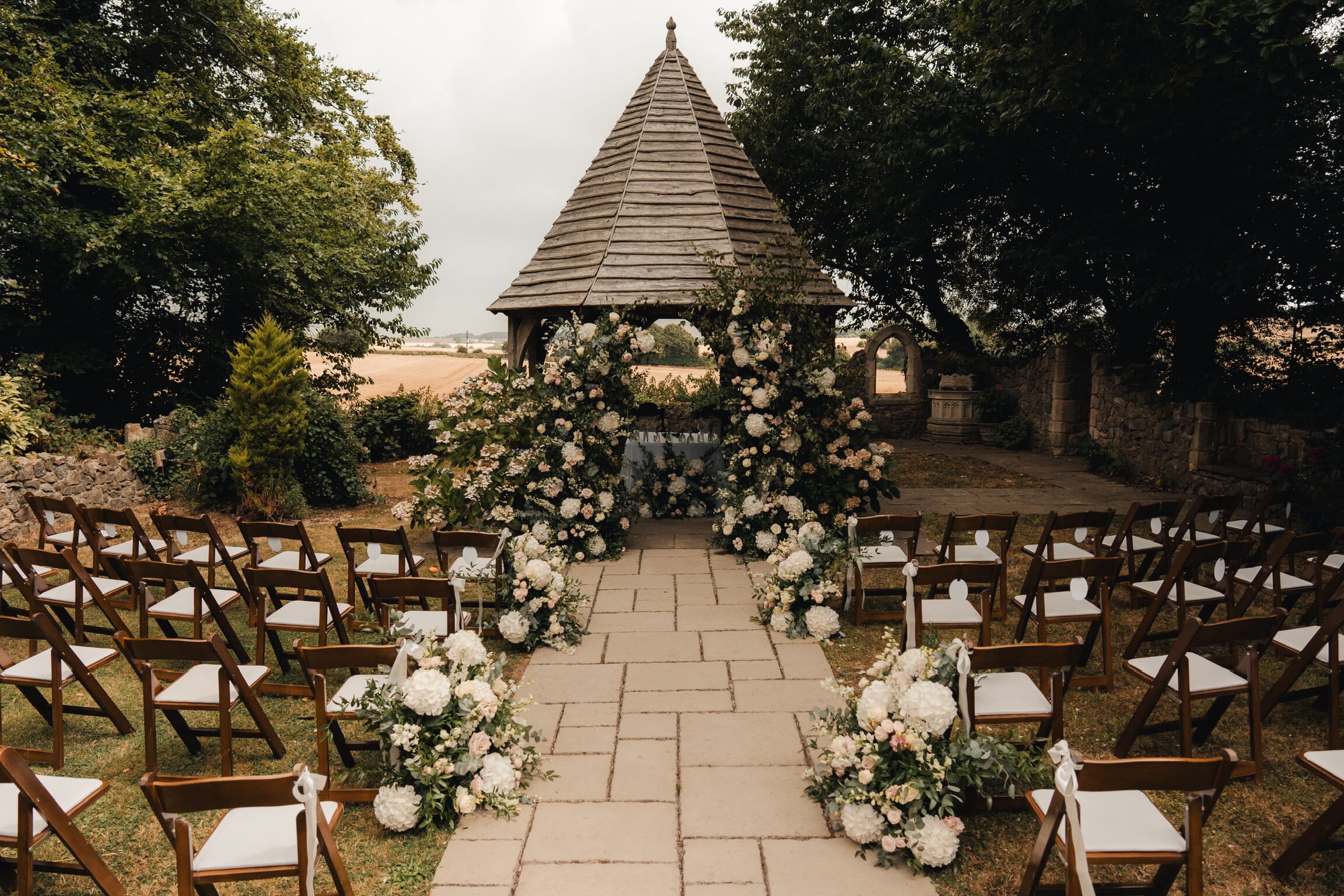
Sustainability isn’t just about buildings. The mature gardens, old hedgerows, and ancient trees found in many historic estates can take decades to establish and support wildlife. A freshly landscaped site simply can’t do this.
As custodians of Solton Manor, our aim is to hand the estate on in better condition than we found it. We achieve this through wildlife-friendly gardening and careful landscape management across the grounds. This year, we were proud to receive a Bronze Award at the Wilder Kent Awards for our efforts to support biodiversity.